WIN Alliance: How much does being alone in the silence of the studio help you, and how do you end up crafting the fiction that brings your imagined scenes to life?
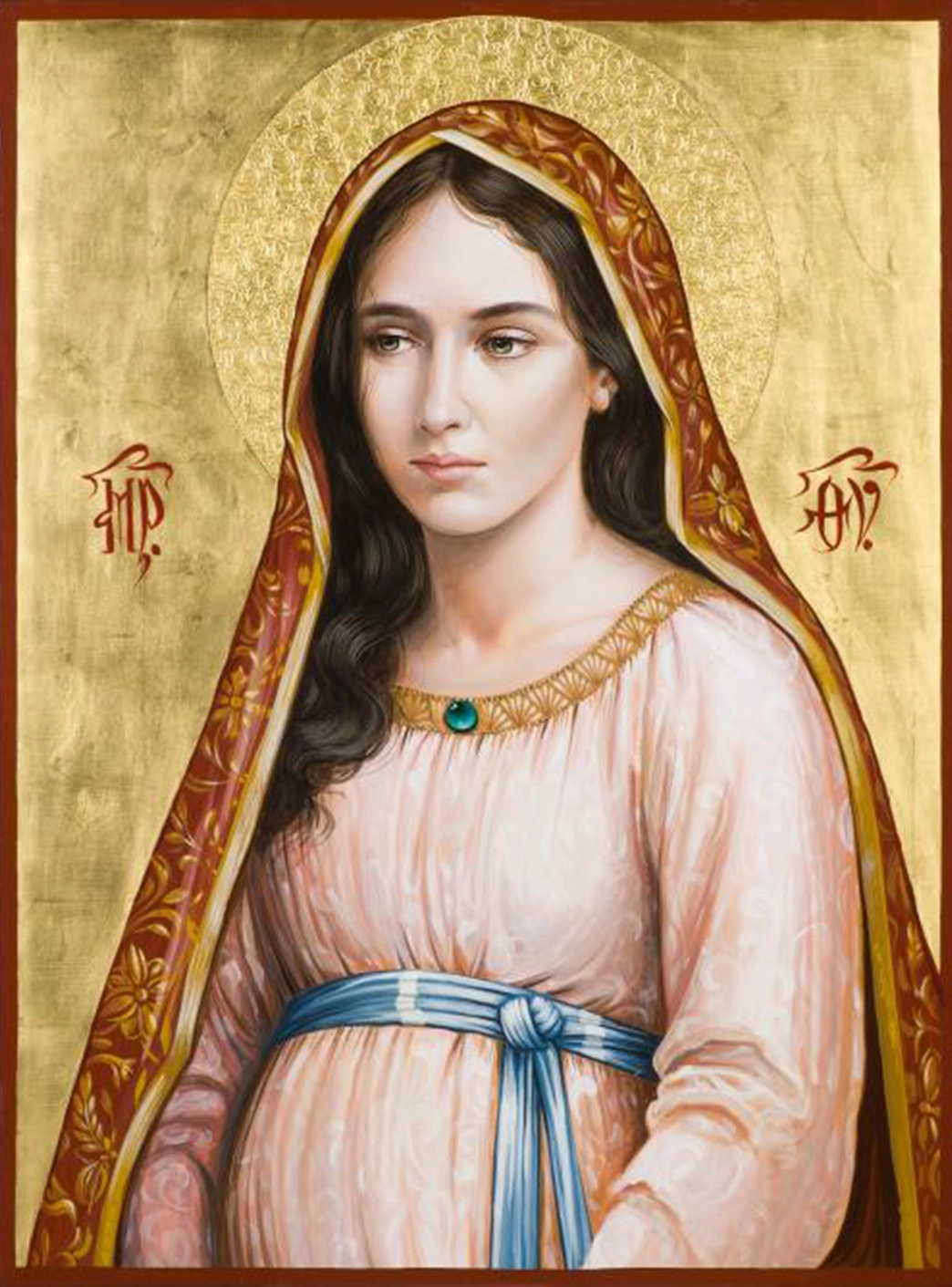
C.I.: When I first started out, working on the walls and ceilings of churches, I would just listen to music or the news on the radio—that was pretty much all we could do. But most of the time, I spent hours alone, working at night, sometimes until three in the morning. Well, during that time, some profound, impactful conversations took place between me and God; I came to know myself better and to understand Him better. At first, as an apprentice, I worked with stencils, trying to learn as much as possible and strictly adhere to the canons. Later, I noticed that some canons make the work easier: first you draw on paper, punch holes, and then apply a kind of charcoal wrapped in cloth. By dotting with confident strokes, the drawing—which you were merely outlining—remained on the wall.
While at first it was difficult to draw, to conceive and “transfer” the sketch from paper to the wall—having to stay tense the whole time to make sure it turned out right, having to calculate and analyze—I couldn’t do everything by eye—by the end of my work in religious art, things had already changed radically. I had come to draw with extraordinary ease. I draw with both hands, and everything seemed to be changing—it was getting easier and easier, and everything turned out right the first time. It was like a song, as if I were a conductor caressing the wall. So, I can say that those hours of intimacy in the quiet of the church, during which I had conversations with God, helped me reach artistic perfection.